
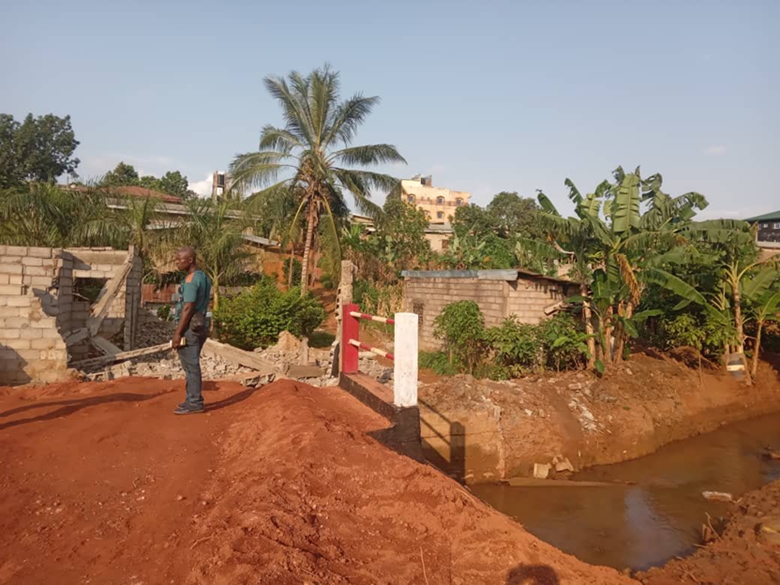
We provide services including river diversions and river infrastructure design. Much of our river engineering experience is in relation to the study, design and implementation of flood alleviation schemes in urban environments. Our river engineers have worked on diversions, scour protection and re-meandering river restoration.
Our team of in-house experts in hydrology, hydraulic modeling, environmental impact assessment, and landscape design work closely with our hydraulic engineers in developing river engineering works.
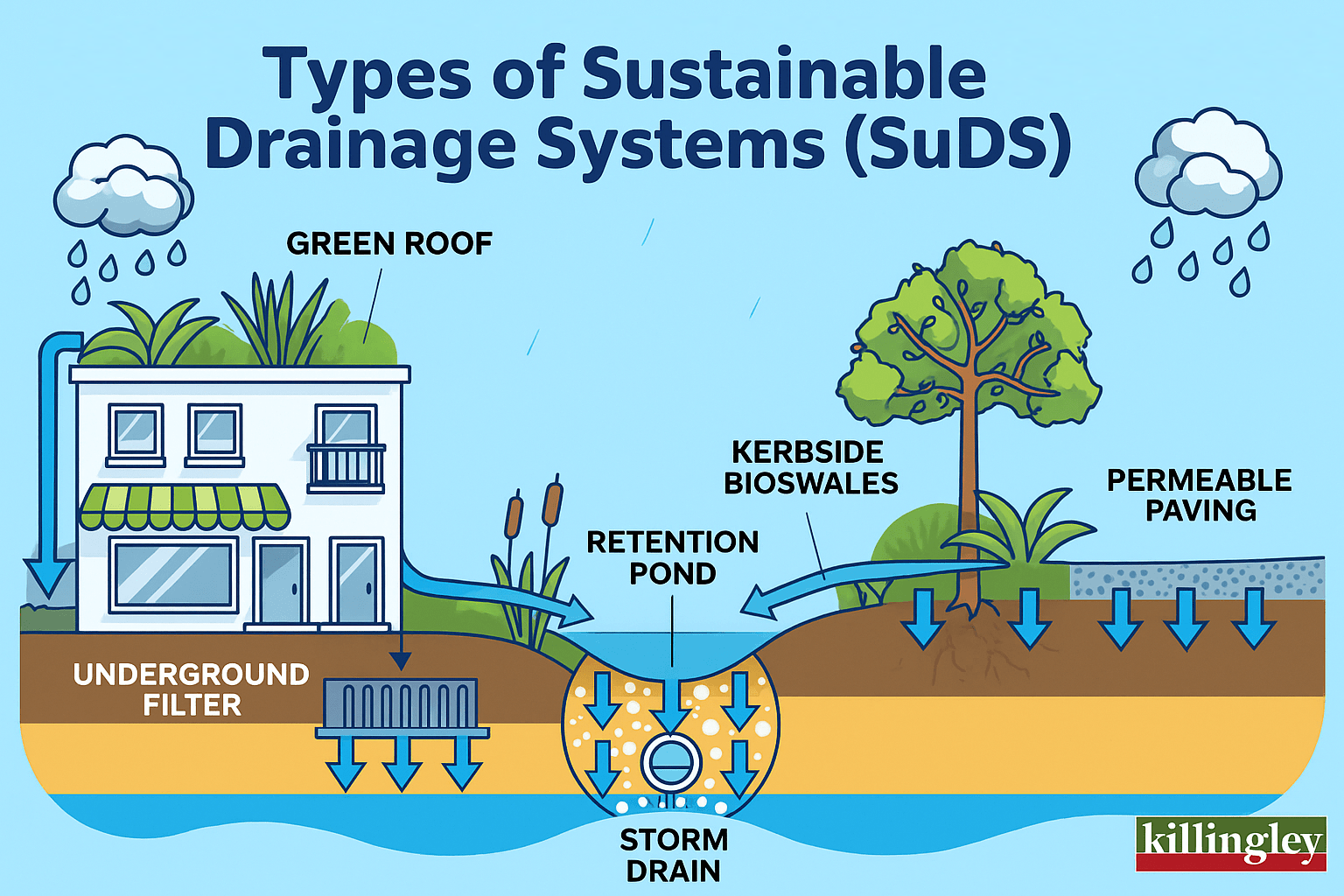
One of the most prominent innovations in urban drainage design is the adoption of Sustainable Drainage Systems. These systems aim to mimic natural water processes to manage rainfall close to where it falls. The techniques include green roofs, permeable pavements, swales, and rain gardens. These features not only reduce the volume and speed of surface water runoff but also improve water quality and provide valuable green spaces in urban areas.
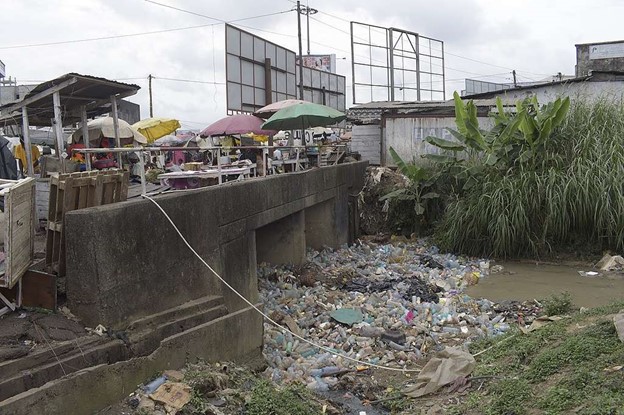
Retrofitting existing drainage infrastructure is another crucial aspect of innovative urban drainage design. Retrofitting involves upgrading these systems with modern technologies and techniques, this approach helps to extend the lifespan of drainage infrastructure and improve its performance.
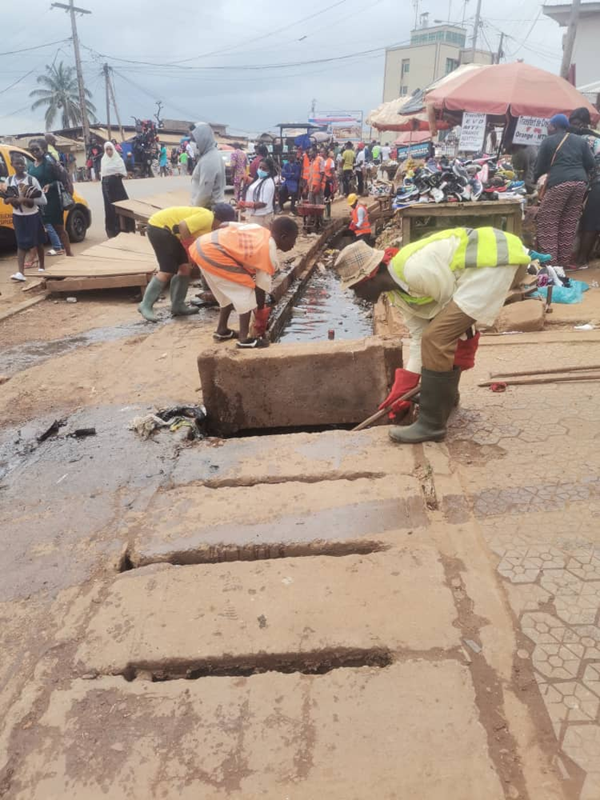
Our Team has significant capability and experience to help move our urban areas into more sustainable, enjoyable places for people and business through delivering services for blue/green corridors, watercourse rehabilitation, retro-fit SUDs solutions, flood risk assessments, smart water, public realm, regional and local planning policies.
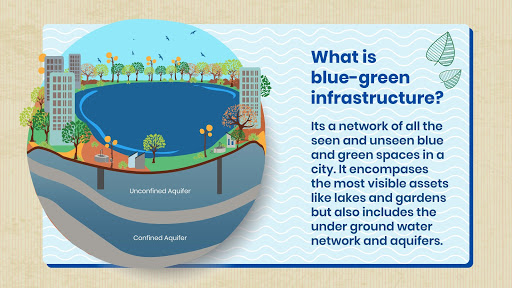
Blue-Green Infrastructure integrates water management with green infrastructure to create multifunctional urban landscapes. This approach combines elements such as wetlands, ponds, and green corridors to manage storm water while enhancing biodiversity and recreational opportunities.
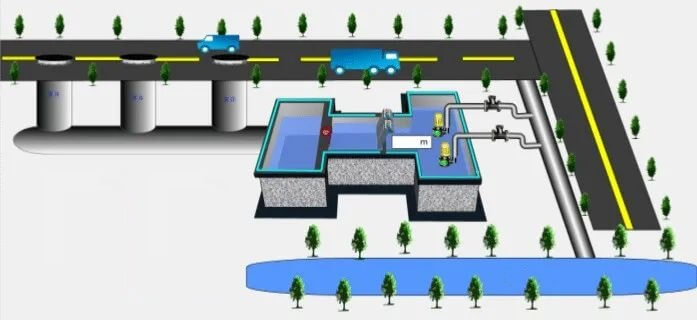
The advent of smart technology has brought about significant advancements in urban drainage. Smart drainage systems use sensors and real-time data to monitor and manage water flow within drainage networks. These systems can predict and respond to potential flooding events, optimize the performance of drainage infrastructure, and reduce maintenance costs.
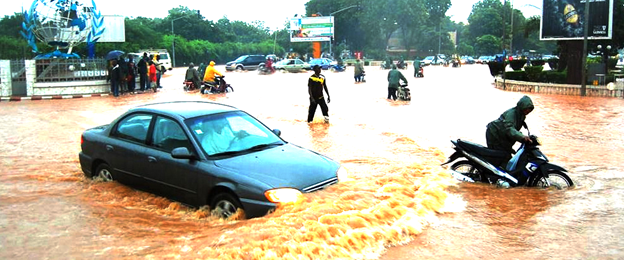
We understand the changes posed by our changing climate and the need for climate resilience in our activities, studies and designs. We help with projects involving Climate Change, be that increased flood risk management to dealing with water scarcity.